15 Common Signs of Illness in Pets: When to See a Vet?
Being a pet owner, you are observant of your companion's routine and behavior; however, more often than not, some changes are less noticeable yet breed-specific, symptomatically indicative of an illness. The sooner you are in a position to acknowledge them, the more vital it will be to your pet.
From loss of appetite to changes in lethargy, right down to other physical signs, all serve as indicators of possible illnesses that, if understood, can help identify when it is time for a veterinary visit.
Common Signs Your Pet May be Sick

Owning a pet demands one be observant of the companion animal's health conditions. Since pets cannot communicate their feelings through words, one needs to look out for slight changes in their demeanor or appearance that could make them sick. Here is a look at some main signs to beware of:
Changes in Eating and Drinking Habits
Keep an eye on his appetite and thirst; a sudden loss of appetite or increased urination and water intake may indicate issues. On the other hand, an unnatural increase in appetite may indicate something.
Lethargy or Level of Activity Change
When your otherwise exuberant pet becomes abnormally lethargic, or the typically lazy cat becomes hyperactive, it may be time to see the vet. These symptoms may indicate pain, illness, or hormonal imbalance.
Physical Symptoms
Observe for frank signs such as vomiting, diarrhea, coughing, sneezing, and dyspnoea—skin lesions, rash or alopecia, or constant scratching. Lame, swollen, or refusing to use part of the body indicates trauma or joint disease.
Changes in Eating and Drinking Habits
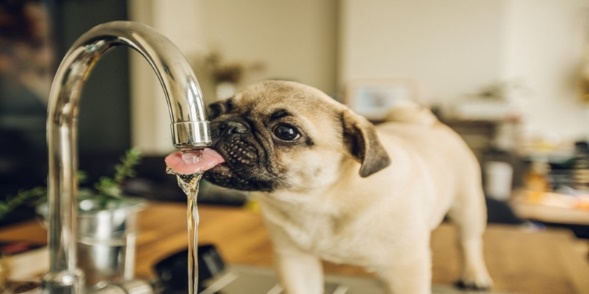
Monitor your pet's appetite and water intake. A sudden decline or increase in either may signal various health issues. If your dog or cat suddenly shows a distinct lack of interest in their favorite treats or begins to drink water excessively, it's time to take notice.
Changes of Energy and Activity
Is your otherwise energetic dog suddenly content to be a couch potato, or is your normally easy-going cat becoming restless? Such changes in energy and activity levels can be an early warning. Lethargy, like occasional naps, is typical; overt, persistent lethargy or bizarre hyperactivity requires attention.
Kooky Bathroom Habits
Monitor elimination habits: straining to urinate, loose stools, and accidents by previously housebroken dogs are only a few of the signs indicating digestive troubles, urinary tract infections, and other health-related problems; these are usually symptoms deserving of immediate veterinary attention.
Strange Changes in Looks: Tips That May Indicate Something Went Wrong
Your pet's appearance can be a valuable indicator of their health. Watch for these telling signs of a possible problem:
Coating and skin changes
A healthy pet should have a shiny and smooth coat; excessive shedding, bald patches, and a dull, brittle coat signal nutritional deficiency or even skin conditions. Watch for strange skin lumps, redness, rashes, or more indicative of allergies and infections.
Eye and Ear Anomalies
Healthy eyes are clear and bright. Any signs of redness, discharge, or cloudiness may signal infections, among other possibly worse ailments. Similarly, examine your pet's ears: head shaking, scratching, or any pungent smell from the ears can indicate ear infection or parasites.
Changes in Body Shape
An overall sudden gain or loss in weight may indicate many underlying diseases. Expansion or distension of the abdominal cavity may be indicative of internal diseases. Observe your animal's general body condition for body tone and fat distribution.
Dental and Oral Disorders
Bad breath is not only offensive but can also indicate dental disease and other health problems. Look for swollen gums, tartar buildup, or loose teeth. Excessive drooling or difficulty eating may point to a problem in the mouth or anywhere along the digestive tract.
Digestive Issues
Digestive issues may affect your pet, from minor upsets to serious conditions requiring the intervention of a veterinarian. Knowing how to identify signs and when to seek veterinary care ensures your pet stays healthy.
Common Symptoms to Watch For
Monitor changes in eating habits or bowel movements, such as loss of appetite, vomiting, or diarrhea lasting more than 24 hours; these should be brought to your veterinarian's attention. Unusual constipation or straining at the time of defecation could be indicative of an underlying problem.
When to Act Quickly?
Some symptoms demand immediate veterinary attention. If there is blood in vomit or stool, severe abdominal pain, or if there have been repeated, unsuccessful attempts to vomit, make sure to seek immediate veterinary attention, as they may indicate severe conditions such as gastrointestinal obstruction or pancreatitis.
Prevention Methods
While preventing some digestive issues is impossible, you can do your part to support a healthy gut. Ensure that the food is in the same routine and balanced, with no sudden changes in food type. Deworm your pet and avoid exposure to possible toxins. Consult the vet first if you have any questions about the safety of a particular food for your pet.
When Should You Take Your Pet to the Veterinarian?
Immediate Concerns
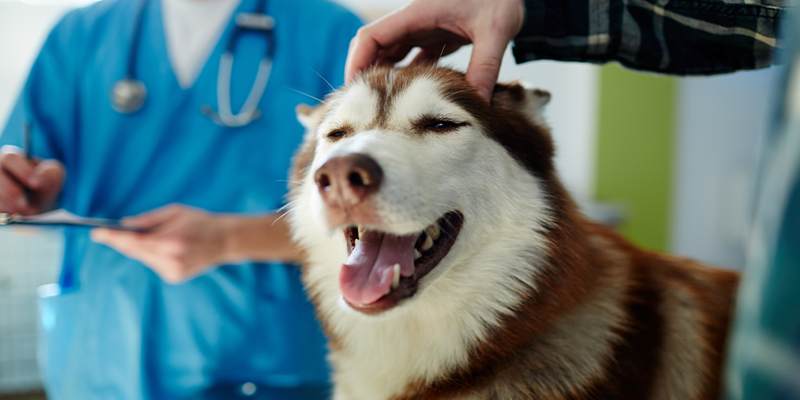
Should your pet be in grave distress, there is little time to be wasted trying to contact a vet. This includes heavy breathing, seizures, or heavy bleeding. Similar reasons that call for professional help without further delay would be toxic ingestions or traumatic injuries. These conditions can be life-threatening and must not be trifled with.
Persistent Symptoms
For all other problems that are not too serious, observe your pet. If a symptom like vomiting, diarrhea, and depression persists for more than 24 to 48 hours, your visit is required. Loss of appetite that continues for several days, increased water intake, and changes in urination also need your visit. Pets cannot say they are sick, so all these answers.
Behavioral Changes
Unexpected changes in your pet's behavior can signal underlying health issues. If your usually friendly dog becomes aggressive or your active cat suddenly seems lethargic, it's worth investigating. Alterations in sleep patterns, increased vocalization, or unusual hiding behaviors might indicate discomfort or illness. A professional assessment can provide peace of mind and potentially catch problems early when in doubt.
Staying Vigilant: Your Pet's Health Depends on You
Your Pet's Life Depends on It As a responsible pet owner, you play a very significant role in monitoring your pet's health. You can detect illness early if you continue to be aware of changes in behavior, appetite, and physical signs and symptoms. Remember, you know your pet best. Trust your instincts and call your veterinarian if you think something is wrong. Regular wellness examinations, in addition to your watchful eye, provide the best chance for your pet to live a long, healthy life.
Recent Articles
12 Best Cat Beds For Every Budget
Cat Dental Care: How To Prevent Gum Disease

12 Best Small Dog Breeds For Apartment Living

16 Proven Tips for Keeping Your Pet Happy and Healthy

15 Friendliest Dog Breeds That Love Everyone They Meet